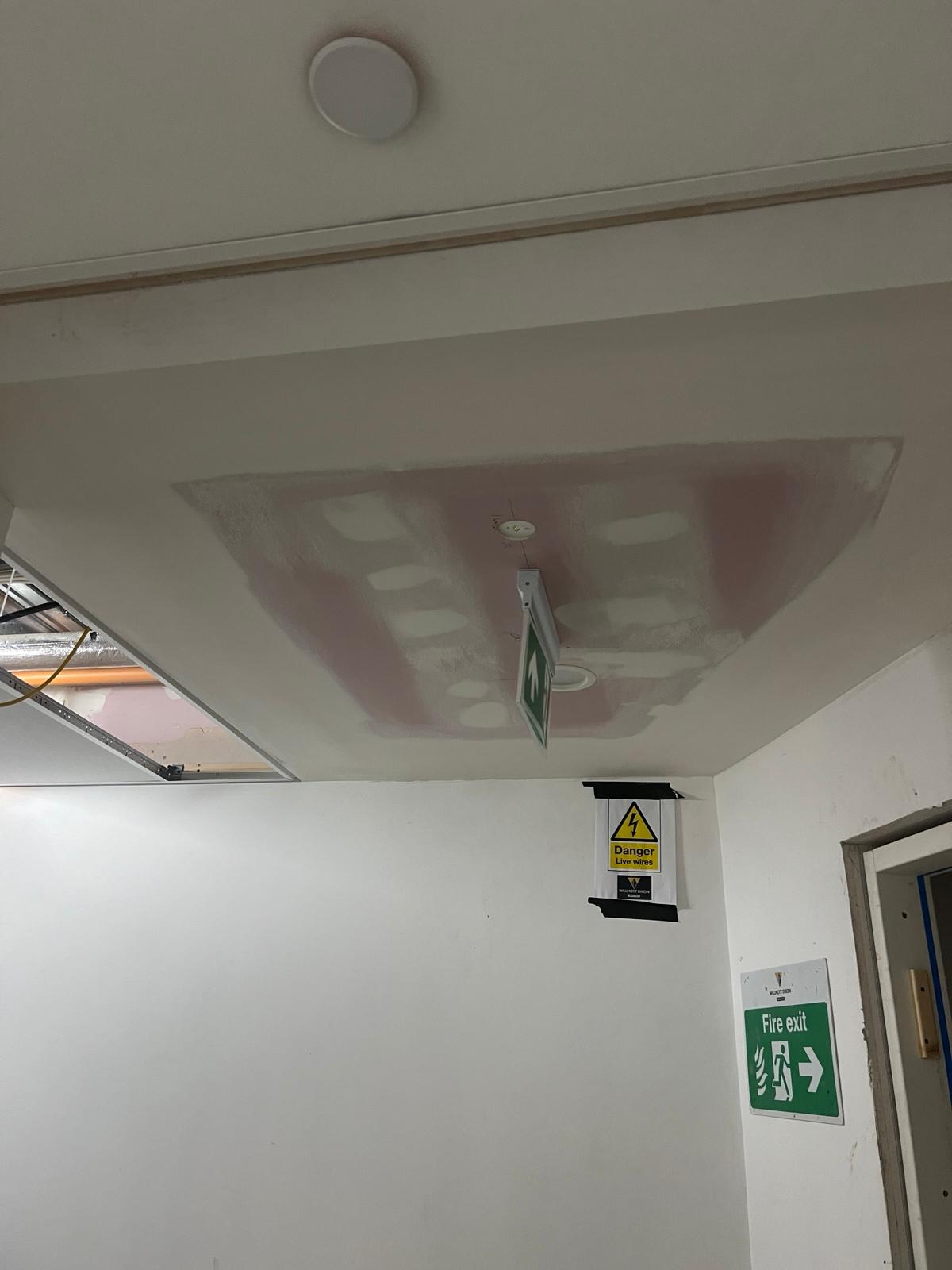
Taping and jointing is the specialist process of finishing plasterboard so that once painted, no joints, fixings, or edges are visible. It’s a critical stage in drylining because it sets the foundation for your final decorative finish. Our team combines proven trade methods with modern dust control and sanding technology to deliver an exceptionally smooth, durable surface that meets the required level of finish (Q1–Q4).
Preparation & Bedding
We assess substrate, fixings and board alignments, then bed tapes to all joints and internal corners with the appropriate compound for your programme and environment.
- Scrim/fibreglass tape or paper tape as specified
- Beads & trims aligned on corners and edges
Build-Up & Feathering
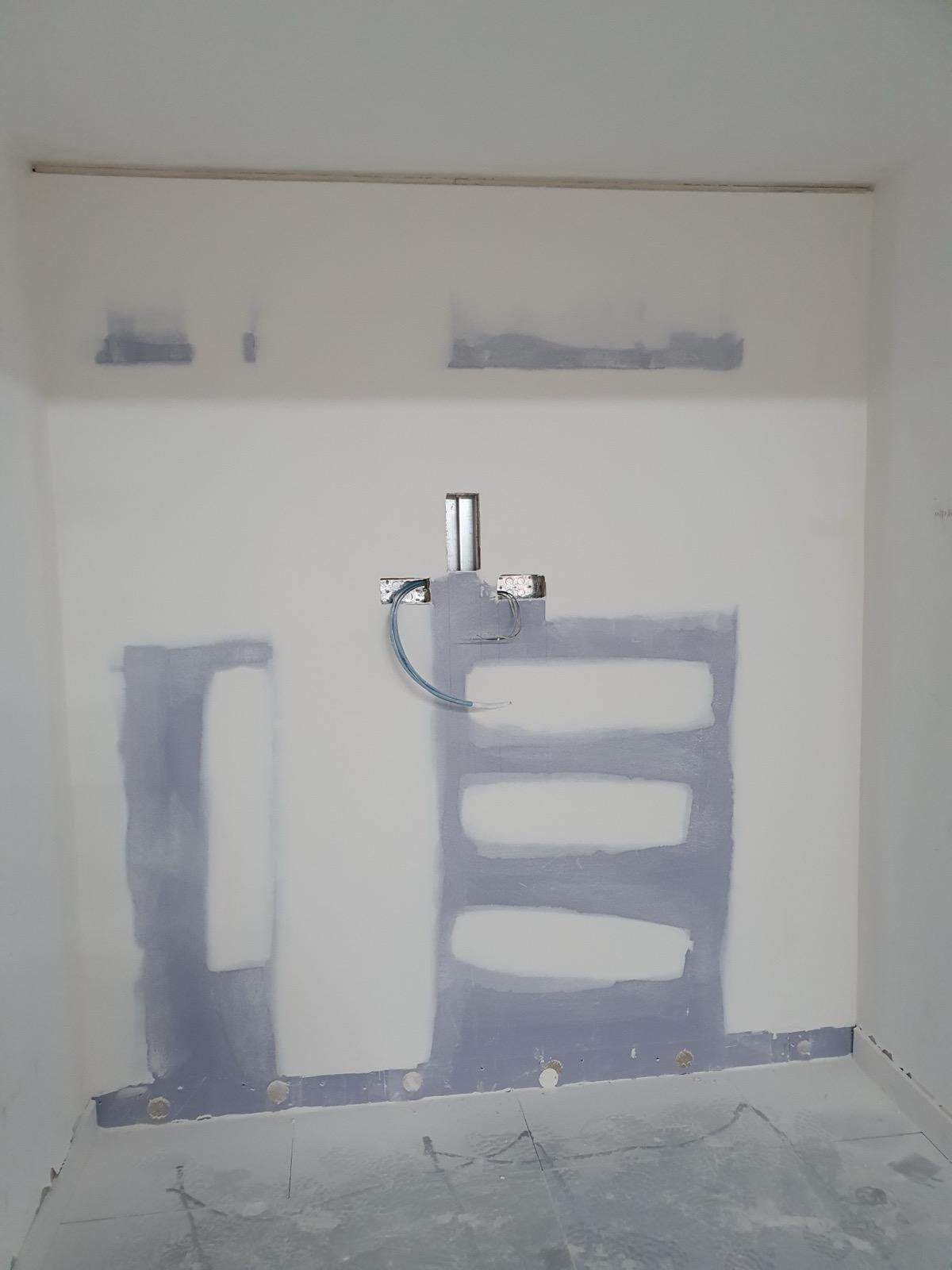
Multiple coats are applied and feathered for a flat, invisible joint. We follow manufacturer drying times and monitor humidity for consistent results.
- Q1–Q4 finish levels available
- Internal/external corners strengthened and true
Sanding, Dust Control & QA
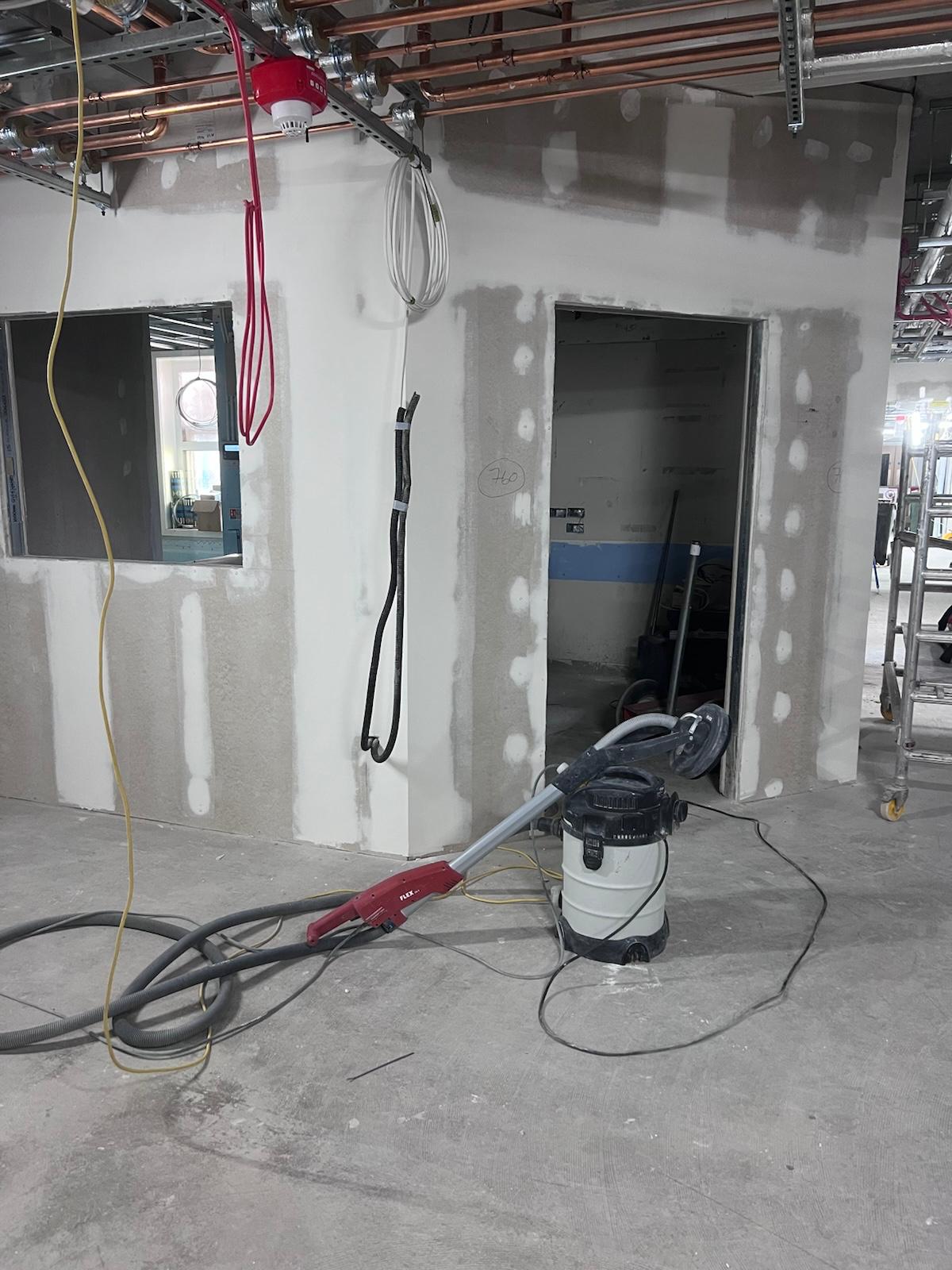
Final sanding with dust extraction keeps spaces tidy and safer. We snag tight to light and carry out a joint check before sign-off—ready for primer and paint.
- HEPA-filtered extraction where required
- Detailed light check for ridges and pinholes